50+ units · Sample 5–7 business days · Production 7–10 business days after sample approval
Custom Folding Cartons
Tuck-end and glued-sleeve cartons engineered for the retail shelf — lightweight, FDA-grade, fully recyclable, and the lowest unit cost in the box family.
Quick answer
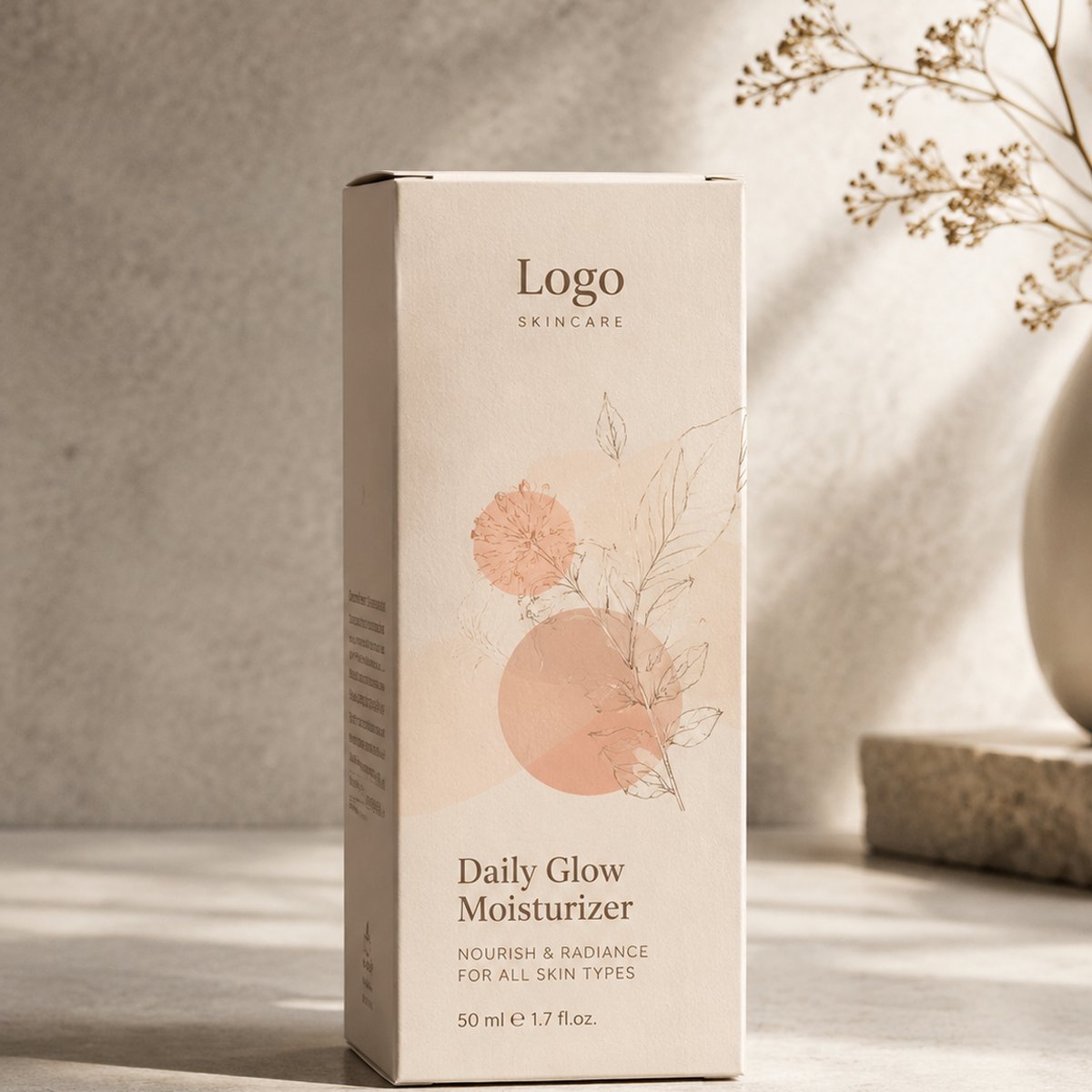
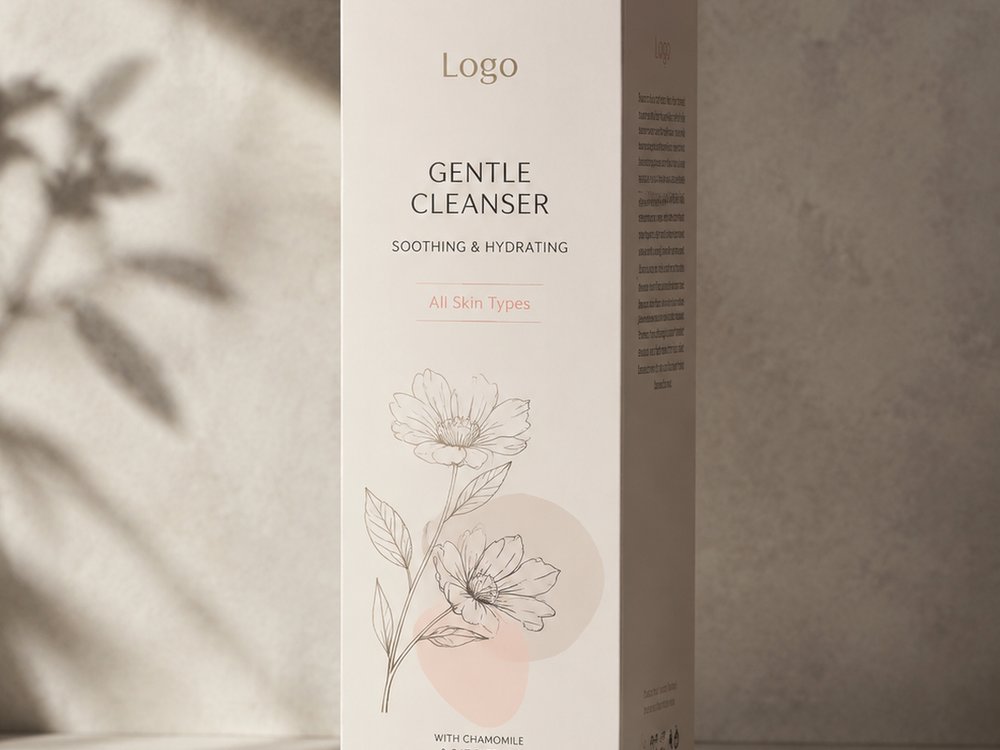
Custom folding cartons are flat-printed, die-cut, machine-glued paperboard cartons — the retail-shelf standard for cosmetics, food, supplements, beauty, and consumer electronics. Built from SBS, CCNB, kraft, or metallic board (250–400 gsm), printed offset CMYK, Pantone, or flexo, they ship flat and erect at the filling line. They are used by retail brands where shelf presence, regulatory compliance, and the lowest unit cost at volume matter most. MOQ starts at 50 units. Lead time is 7–10 business days after sample approval. Sample fees are credited against your first production order. DDP shipping to 50+ countries including USA, Canada, Germany, France, UK, Italy, Spain, Australia, Japan, South Korea, Singapore, Malaysia — no surprise customs fees.

MOQ
50 units
Sample
5–7 business days
Lead time
7–10 business days
Category
Boxes
Format
Folding Cartons
Why order direct from XC Paperbox
Foshan factory
18,000 m² since 2018
FSC A000511
Certified paper sourcing
ISO 9001:2015
Quality management
1M+ boxes / year
Volume capacity
DDP to 50+ countries
No surprise customs
24-hour quote
Reply within 1 business day
Overview
What it is, and when to use it.
Custom folding cartons are flat-printed, die-cut, and machine-glued paperboard cartons — the retail-shelf standard for cosmetics, food, supplements, beauty, and consumer electronics accessories. Each carton is built from SBS (solid bleached sulfate), CCNB, kraft, or metallic board — typically 250–400 gsm — printed offset CMYK, Pantone, or metallic inks, then finished with aqueous coating, lamination, foil stamping, or spot UV. The carton ships flat to your filling line and is erected by hand or machine at the point of fill. What makes a folding carton different from a rigid box or mailer is the channel and the unit-cost curve. Folding cartons are built for retail shelves — they are pre-glued, shelf-ready, FDA-grade for food contact, and run at high volume with a dramatically lower unit cost than rigid or magnetic boxes. For a complete pricing breakdown with quantity tiers, MOQ, and cost factors, see our Custom Folding Carton Cost Guide. For a step-by-step buyer’s guide to choosing structures, materials, and ordering, see the Custom Folding Carton Buying Guide. They are the wrong format for doorstep shipping (a mailer is engineered for that) or for premium unboxing (a rigid box delivers that). They are the right format when the carton sits on a shelf, holds a single product, and needs to carry branding, regulatory text, and barcodes at scale. We manufacture custom folding cartons in low MOQ runs starting at 50 units per SKU, with printed samples in 5–7 business days and production in 7–10 days. Every project runs on a dedicated production line in our FSC-certified facility in Foshan, China, with offset, flexo, and digital printing in-house. Common applications include cosmetics and skincare, food and beverage, health and supplement, beauty and personal care, consumer electronics accessories, and pharmaceutical — any context where the carton sits on a retail shelf or fulfills a regulatory requirement. For a buyer’s guide to chocolate and confectionery cartons — box types, inserts, costs and MOQ — see the Custom Chocolate Packaging Buyer’s Guide. For skincare at retail, our Skincare Packaging Boxes Buyer’s Guide compares cartons, rigid, magnetic, drawer and mailer boxes by structure, inserts and MOQ.
Best for
- Cosmetics & skincare
- Food & beverage
- Health & supplements
- Beauty & personal care
- Retail shelf SKUs
- Pharmaceutical & OTC
Buyer's decision framework
When to choose custom folding cartons — and when not to.
Folding cartons are the right call when the carton sits on a retail shelf, holds a single product, and needs the lowest unit cost at volume. They are the wrong call when the box ships to a doorstep, the unboxing is part of the product, or the carton needs to carry luxury weight. Walk through these four questions before you commit.
- 1
Does the carton sit on a retail shelf — or ship to a doorstep?
If the carton sits on a retail shelf (cosmetics, food, supplement, beauty, electronics accessories), a folding carton is the format engineered for that channel: pre-glued, shelf-ready, FDA-grade, and barcoded. If the box ships to a doorstep via courier, a corrugated mailer is engineered for the journey.
- 2
What is your target unit cost?
Folding cartons are the lowest-cost format in the box family — dropping further at 10,000+ units. Rigid and magnetic boxes run a premium on top. If the carton is a commodity container on a shelf, folding is the right economics. If the box is the gift, folding will feel cheap.
- 3
Does the carton need to carry regulatory text or barcodes?
Folding cartons are the standard format for ingredient lists, nutrition facts, supplement facts, regulatory warnings, barcodes, and QR codes. Our prepress team validates barcode scannability and FDA/FCC phrasing before printing. Rigid and magnetic boxes can carry text but are over-engineered for that purpose.
- 4
How many units do you need per SKU?
Folding cartons are economical from 50 units per SKU — we run 50, 100, 500, 1,000, and 10,000-unit tiers. For 25,000+ units per SKU, flexo printing on CCNB brings the unit cost down further. If you need fewer than 50 units, ask us about digital-print short runs.
This page
Folding carton
Retail shelf, food, supplements, beauty
- Cost
- $
- Lead
- 7–10 days
- MOQ
- 50 units
Alternative
Rigid box
Luxury, gifting, fragrance, electronics
- Cost
- $$$$
- Lead
- 7–10 days
- MOQ
- 50 units
Alternative
Corrugated mailer
DTC ecommerce, subscription, doorstep
- Cost
- $$
- Lead
- 7–10 days
- MOQ
- 50 units
Applications
Common use cases
- Cosmetics & skincare
- Food & beverage
- Health & supplement
- Beauty & personal care
- Consumer electronics accessories
- Pharmaceutical & OTC
- Cannabis & CBD
- Stationery & gift sets
Browse real styles
Explore Custom Folding Cartons Styles
Browse real box styles, finishes and structures. Select a reference to request pricing for a similar custom design.
folding-cartons-01
folding-cartons-02
folding-cartons-03
folding-cartons-04
folding-cartons-05
folding-cartons-06
Materials
Board & paper options
- ●SBS (solid bleached sulfate)The premium retail-shelf default. Bright white printable face gives the cleanest CMYK and Pantone print. FDA-approved for direct food contact. 250–400 gsm is standard.
- ●CCNB (clay-coated newsback)A cost-down alternative to SBS — clay-coated front for print, recycled newsback. Common for mid-tier retail and food. Lower brightness than SBS but materially cheaper.
- ●Natural kraftUnbleached brown kraft board for eco-positioned retail. Pairs with water-based inks and FSC chain-of-custody. Popular for organic food, cannabis, and sustainable beauty brands.
- ●Metallic boardA metallized polyester-laminated board that gives a mirror-finish metallic surface without foil stamping. Adds shelf impact for premium SKUs — fragrance, spirits, confectionery.
- ●FSC-certified boardRequired if your brand makes a sustainability claim on-pack. We supply FSC-certified SBS, CCNB, and kraft boards with chain-of-custody documentation.
- ●Recycled-content board100% post-consumer recycled board for brands with a circular-economy positioning. Slightly lower brightness than virgin SBS; pairs with eco inks.
Printing & finishes
How it gets dressed
Printing
- Offset CMYKRecommended for 1,000+ units and full-color photographic artwork. The retail-shelf standard — sharpest print, lowest per-unit cost at volume.
- Pantone spot colorsRecommended for brand-critical color matches (logo reds, brand blues). Essential when CMYK cannot reproduce a corporate color or for Pantone-locked beauty and cosmetics SKUs.
- Digital printRecommended for 50–500 unit runs and market tests. No plate setup, fast turnaround, ideal for validating a retail concept before committing to volume.
- Metallic inksRecommended for shimmer effects without foil-stamp cost. Subtler than foil, good for backgrounds and patterns on premium beauty and spirits cartons.
- Flexo (1–3 colors)Recommended for high-volume food and commodity retail where unit cost is the priority and line-art print is sufficient. Water-based inks are eco-friendly.
- White ink on dark stocksRecommended for matte black, navy, or deep-colored cartons where CMYK alone cannot print light text, regulatory info, or barcodes.
Finishes
- Aqueous coating (eco-friendly)
- Matte or gloss lamination
- Soft-touch lamination (velvet feel)
- Spot UV on matte grounds
- Foil stamping (gold, silver, rose gold)
- Embossing & debossing
- Window die-cut (PET or compostable)
- Hang tab & euro-slot
Sizes
Standard sizes — and fully custom
| Label | W | D | H | Unit |
|---|---|---|---|---|
| Small (cosmetic) | 50 | 30 | 100 | mm |
| Medium (supplement) | 90 | 50 | 180 | mm |
| Large (food) | 150 | 80 | 250 | mm |
| XL (gift set) | 220 | 120 | 300 | mm |
| Custom | — | — | — | mm |
Ordering & pricing
MOQ, lead time, and what drives the unit cost.
Every box is custom — there is no flat price list. Here is what you need to plan around, and what we will confirm in your tailored quote within 24 hours.
MOQ & sampling
Our standard MOQ for custom folding cartons is 50 units per SKU — low enough to test a retail concept or a market entry without committing to volume. At 50 units we use digital printing, which avoids plate costs. From 1,000 units, offset printing becomes more economical per unit. From 10,000 units, flexo on CCNB is the cheapest. Sample fees are credited against your first production order.
Lead time
Sampling: printed and finished sample in 5–7 business days. Production: 7–10 business days after sample approval, depending on quantity, printing method, and finish count. Shipping: 10–25 days DDP to 50+ countries, depending on destination and whether air or sea freight is chosen. Total door-to-door timeline: 3–5 weeks for most orders. Rush production is available — we can compress to 8 business days for digital runs.
How to read pricing
Final pricing is confirmed in your tailored quote within 24 hours. We do not publish a flat price list because every folding carton is custom — but we will always show the unit cost at 50, 100, 500, 1,000, and 10,000 units so you can see the volume curve before committing.
What affects the unit cost
Seven factors that move the quote.
Order quantity
Unit cost drops sharply from 50 to 10,000 units as setup, plates, and die-cut tooling amortize. Beyond 10,000, savings continue but flatten.
Board type
SBS is the premium default. CCNB is 20–30% cheaper. Natural kraft is comparable to CCNB. Metallic and recycled-content boards add to material cost.
Carton size
Larger cartons use more board and lower the number of units per press sheet. A 220×120×300mm gift-set carton costs several times a 50×30×100mm cosmetic carton.
Printing method
Digital is economical at 50–500 units. Offset CMYK and Pantone are cheapest from 1,000 units. Flexo is cheapest from 10,000 units for 1–3 color line art.
Finishes
Aqueous coating is the eco baseline. Lamination, soft-touch, foil, and embossing each add a pass. A box with all four can cost measurably more than a plain coated equivalent.
Windows & hang tabs
PET or compostable cellulose windows add die-cut tooling and per-unit cost. Euro-slot hang tabs and tuck-top hang tabs are standard for retail-ready cartons.
Fulfillment model
Pre-glued flat-shipped cartons keep freight volume low. Crash-lock bottom variants lower filling-line erection labor but add production cost. Choose based on your filling line's speed.
Related case studies
See how brands have used custom folding cartons.
Real project
How a snack brand launched a retail-ready folding carton at low MOQ.

- Client
- Direct-to-consumer snack brand (US, retail expansion)
- Challenge
- A DTC snack brand was expanding into brick-and-mortar retail and needed a shelf-ready folding carton that carried branding, ingredient lists, and a barcode — without committing to the 10,000-unit MOQ their previous packaging supplier required. They also wanted an eco-positioned board that matched their DTC sustainability claim.
- Format chosen
- Natural kraft folding carton, 150×80×250mm, offset CMYK with water-based inks, aqueous coating, FSC-certified board, euro-slot hang tab, and a compostable cellulose window. 50-unit MOQ per SKU for the retail launch set.
- Result
- The brand launched into a regional grocery chain with a six-SKU retail set, each at 50-unit MOQ. The kraft carton with compostable window carried their sustainability claim onto the shelf, and the format scaled with them as retail doors expanded.
Frequently asked
Questions about custom folding cartons.
Don't see your question?
Browse our FAQ center50 units.
Our standard MOQ for custom folding cartons is 50 units per SKU. At 50 units we use digital printing, which avoids plate setup costs and lets you test a retail concept or a market entry without committing to volume. From 1,000 units, offset printing becomes more economical per unit. From 10,000 units, flexo is cheapest for line-art print.
SBS for premium retail, kraft for eco, CCNB for cost-down.
SBS (solid bleached sulfate) gives the brightest print and is FDA-approved for food contact — the premium retail default. CCNB (clay-coated newsback) is a cost-down alternative with recycled newsback. Natural kraft is the eco-positioned choice for organic food, cannabis, and sustainable beauty. Metallic board adds shelf impact for premium SKUs.
Yes — SBS and CCNB with food-grade inks.
SBS and CCNB boards are FDA-approved for direct food contact when printed with food-grade water-based inks. We supply chain-of-custody documentation for food-safety compliance. For greasy or moist food, we add a grease-resistant PLA or PE-free lining. Natural kraft with water-based inks is also food-safe.
Sample 5–7 days, production 7–10 days.
After design sign-off, a printed and finished sample is produced in 5–7 business days. Production runs 7–10 business days after sample approval, depending on quantity, printing method, and finish count. Total door-to-door: 3–5 weeks for most orders. Rush production is available — we can compress to 8 business days for digital runs.
Flat — pre-glued and erection-ready.
Folding cartons ship flat in cases, pre-glued at the side seam and ready for erection at your filling line. They can be erected by hand or by machine. For higher-speed filling lines, we supply crash-lock bottom variants that auto-erect. For manual filling, a tuck-end or glued-sleeve format is standard.
Yes — standard for retail and pharma.
Folding cartons are the standard format for regulatory text, ingredient lists, nutrition facts, barcodes, QR codes, and child-resistant warnings. We support full-color CMYK plus black-only text panels, and our prepress team will validate barcode scannability and FDA/FCC phrasing before printing.
Yes — PET or compostable window film.
Window die-cuts let the product show through on the shelf — common for food, bakery, and consumer electronics accessories. We offer standard PET window film (recyclable in some streams) and compostable cellulose window film for eco-positioned brands. The window is heat-sealed to the carton at the die-cut station.
Folding = retail shelf, lowest cost. Rigid = luxury counter. Mailer = doorstep.
Folding cartons are the right format when the carton sits on a retail shelf, holds a single product, and needs the lowest possible unit cost at volume. Rigid boxes are the most expensive format, built for the counter and the luxury unboxing. Mailers sit between folding cartons and rigid on unit cost, built for the doorstep. Pick the channel first, then the format.
Request a quote
Tell us about your project.
Send a few details and we'll come back within 24 hours with a tailored quote, lead time estimate, and material recommendations.
- · Free dieline and 3D mockup
- · Sample fees credited against first order
- · DDP shipping to 50+ countries
Compare formats
Other box formats worth considering.
Custom Boxes
Custom Rigid Boxes
Heaviest board. Magnetic closures. The benchmark for premium.
See specs and pricingCustom Boxes
Custom Mailer Boxes
Corrugated roll-end tuck-front mailers engineered for the doorstep — branded inside and out, ship flat, and assemble in seconds.
See specs and pricingCustom Boxes
Custom Gift Boxes
Ribbon-tied rigid gift boxes engineered for the moment the lid comes off — seasonal launches, corporate hampers, wedding favors, and DTC gift sets that earn the unboxing.
See specs and pricing
Read before you order
Guides that pair with custom folding cartons.
Packaging Guide · 12 min read
Rigid Boxes vs Folding Cartons: Which Packaging Solution Is Right for Your Brand?
Compare rigid boxes and folding cartons in terms of structure, cost, appearance, durability, MOQ, production time, and ideal applications to choose the right packaging solution for your brand.
Read guidePackaging Guide · 14 min read
How to Choose the Right Paper Packaging Material
Compare art paper, kraft paper, coated paper, corrugated board, grey board, and recycled paper. Learn which material fits your brand, product, budget, and sustainability goals — with a practical decision framework and industry-specific recommendations.
Read guidePackaging Guide · 8 min read
Understanding MOQ and lead time in custom packaging
Why factories have minimums, how we run at 50 units, and how to plan your launch timeline.
Read guide
Ready to start?
Send us a sketch, reference, or sample. Quote back in 24 hours.
From 50 units · FSC-certified · DDP worldwide · Response in 24 hours
Response within 24 hours. No obligation quotation.
Or email info@xcpaperbox.com